A Comprehensive Guide to Selecting the Right Access Control Security Solutions
With regards to securing your business, choosing the right access control security solution is essential. You should comprehend your specific needs and evaluate multiple features that can improve your security. From intuitive interfaces to compliance regulations, every detail is important. So, what should you concentrate on first to make certain you make the best decision for your business's safety? Let's explore the key aspects that will guide you through this process.
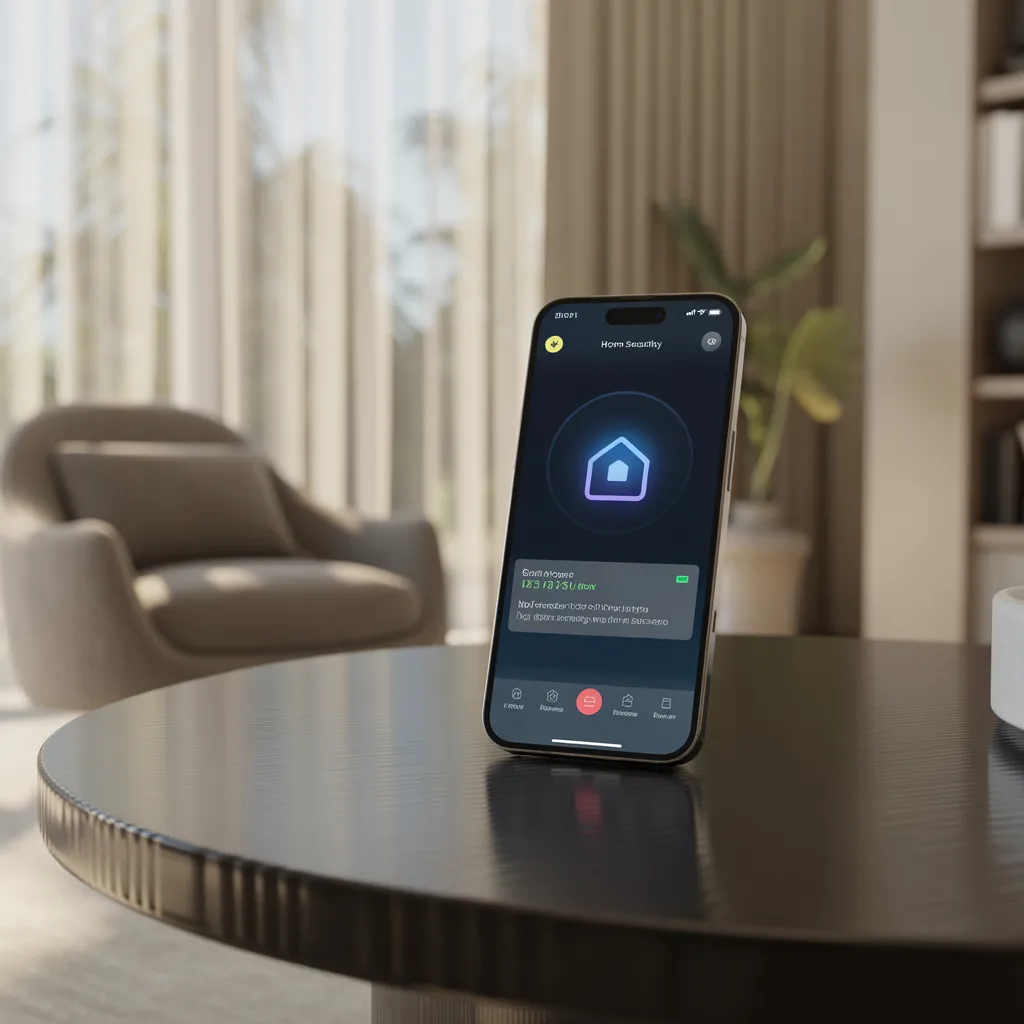
Understanding Access Control: What It Is and Why It Matters
Effective access control is critical for securing your assets and information, most notably in a world where security breaches are increasingly common. It relates to the approaches and solutions you use to regulate who can access your buildings, systems, or confidential information. By establishing effective access control measures, you're guaranteeing that only legitimate users can reach secure locations or view important information. This not only secures your resources but also allows you to comply with regulations and protect your reputation. Understanding access control is critical to identifying security weaknesses and managing security risks. It enables you to create a protected space where protection and reliability prevail, permitting your organization to function effectively and efficiently while reducing the chances of unauthorized access.

Critical Features to Examine When Picking Access Control Solutions
When selecting access control solutions, there are numerous essential features you should consider to ensure optimal security for your organization. First, look for user-friendly interfaces that facilitate easy management of access rights. Scalability is important; choose a system that can grow with your organization. Integration capabilities with existing security systems can improve overall effectiveness. Multi-factor authentication adds an extra layer of protection, while real-time monitoring allows you to track access events. Additionally, confirm the system offers robust reporting features to analyze security data effectively. Finally, consider mobile access options, letting you manage permissions remotely. By focusing on these features, you can elevate your organization's security posture and streamline access management.
Which Type of Access Control System Is Right for You?
How can you determine which type of access control system best fits your needs? Begin by evaluating your security needs. Are you securing a single entry point or multiple locations? Think about whether you need a standalone system for simplicity or a networked solution for greater coverage. Next, examine the level of access you want to grant; do you need access cards, biometric scans, or mobile access? Evaluate future scalability—will your system need to expand with your organization? Finally, factor in the user experience; a system that's intuitive will support compliance. By evaluating these factors, you can confidently picking the right access control system tailored to your specific needs.
Planning Your Access Control Budget
When setting your access control budget, it's important to determine the total costs needed, including installation and maintenance. You must also factor in your upcoming requirements, as extending your system later can be more costly than advance planning. By taking these steps, you can confirm your budget aligns with your security needs.
Determine Overall Expenditures
Establishing a budget for your access control system is essential to making sure you don't overspend while still meeting your security requirements. Start by pinpointing all potential costs, including equipment, installation, and ongoing maintenance. Factor in the expense of access control hardware like keypads, card readers, and locks, as well as software for managing user access. Don't forget about installation fees, which can fluctuate based on the complexity of your system. Additionally, consider any necessary upgrades or expansions, such as adding more doors or integrating with other security systems. Finally, remember to designate funds for training your staff on the new system. By carefully estimating these expenses, you'll create a realistic budget that supports your security requirements.
Factor In Future Goals
While it's essential to establish a budget for your present access control demands, you also cannot neglect the significance of considering future requirements. Evaluate your organization's progression and how that could impact your security requirements. If you predict expansion, your access control system should be expandable. Explore solutions that permit easy upgrades or integrations with new technologies. Furthermore, evaluate potential changes in regulations or security threats that could require advanced features. Budgeting for these future enhancements can help you avoid costly replacements down the line. By accounting for future needs now, you'll ensure your access control system remains effective and adaptable, corresponding to your organization's evolving security landscape.
Integrating Access Control Into Existing Systems
How do you seamlessly integrate access control with your present systems? Begin by assessing your present infrastructure to pinpoint compatible technologies. Select access control solutions that support open standards, making it simpler to connect with your present hardware and software. Collaborate with your IT team to map out integration points, ensuring smooth data flow between systems. Utilize APIs or middleware to bridge gaps and boost functionality without major overhauls. Test the integration in stages, permitting you to troubleshoot any issues before full rollout. In conclusion, deliver training for your staff to familiarize them with the new system, guaranteeing everyone understands how to operate it effectively. This proactive approach will help streamlining your security processes and improve overall efficiency.
Access Control Compliance: What You Need to Know
Concerning access control compliance, understanding regulatory standards is essential for your organization. You'll want to implement best Business Security Camera Systems practices that not only adhere to these standards but also strengthen your security measures. Let's examine what you need to know to keep your access control solutions both compliant and effective.
Regulatory Standards Overview
Comprehending regulatory standards is vital for effective access control compliance, as these standards help organizations secure sensitive information and copyright operational integrity. Familiarize yourself with key regulations like GDPR, HIPAA, and PCI-DSS, which specify how data should be secured and accessed. Compliance isn't just about evading penalties; it establishes trust with clients and partners. Each regulation has specific requirements, so you'll need to evaluate your access control systems against these standards. Regular audits and assessments can help ensure you're meeting the essential criteria. Staying current with changes in regulations is essential, as non-compliance can result in severe consequences. By emphasizing compliance, you're not only protecting your organization but also strengthening its reputation and reliability.
Recommended Implementation Best Practices
With a solid grasp of regulatory standards, you're ready to implement effective access control solutions that align with compliance requirements. Start by evaluating your organization's unique needs and risks. This makes certain you select the right technology and processes adapted to your environment. Next, bring in key stakeholders in the planning phase to obtain knowledge and encourage support. Once you've deployed your access control systems, conduct regular audits and training sessions to keep everyone updated and adherent. Make certain to document all procedures and changes for accountability. Finally, maintain awareness of evolving regulations and industry best practices to modify your systems accordingly. This proactive approach not only safeguards your assets but also facilitates maintaining compliance effectively.
What Can We Expect Next in Access Control Technology?
What cutting-edge developments are coming to access control systems? You can expect advancements in biometric authentication, including facial recognition and fingerprint scanning, rendering access more secure and user-friendly. Cloud technology is set to gain momentum, offering greater flexibility with streamlined management of access rights. AI technology will advance threat detection capabilities, examining patterns and highlighting anomalies in real-time. Mobile-based access control is gaining popularity, allowing you to gain entry to doors using your smartphone, improving the user experience. Furthermore, integration with IoT devices will create smarter environments where access control systems communicate seamlessly with other security measures. As these systems advance, you'll find solutions that enhance security while improving operational efficiency. Stay tuned for these exciting developments!
Frequently Asked Questions
What's the Best Way to Select a Reliable Access Control Company?
To select a dependable access control provider, investigate their standing, request client testimonials, assess their solutions, and guarantee they deliver assistance. Prioritize providers with expertise in your industry for customized solutions that satisfy your specifications.
What Are the Frequent Mistakes to Steer Clear of in Access Control Selection?
You should avoid overlooking your particular requirements, ignoring scalability, neglecting user training, and not considering integration with your present systems. Avoid rushing your decision; dedicate time to research and analyze all options carefully.
What Is the Recommended Frequency for Updating Access Control Systems?
You should update your access control systems at minimum annually, or whenever there are notable changes in your organization. Routine updates assist in preserve security, correct security weaknesses, and provide superior performance for your needs.
Do Access Control Systems Operate in Remote Locations?
Absolutely, access control systems can be utilized at remote locations. You can oversee and track them through cloud-based platforms, maintaining security even when you aren't on location. Just confirm reliable internet connectivity for maximum performance.
What's the Average Lifespan of Access Control Hardware?
Access control hardware typically lasts between 5 to 10 years, influenced by operating conditions and environmental factors. Regular maintenance helps extend its lifespan, so you should observe its performance and condition.