How Home Security Investment Improves Peace of Mind and Safety
Putting money into home security is more than just protecting your property; it's about ensuring your family feels safe and secure every day. With the right system in place, you can deter potential threats and decrease anxiety in your household. But not all home security solutions are created equal. Understanding what's out there and how it works can make a substantial difference. So, what should you think about when selecting a system that truly fits your needs?
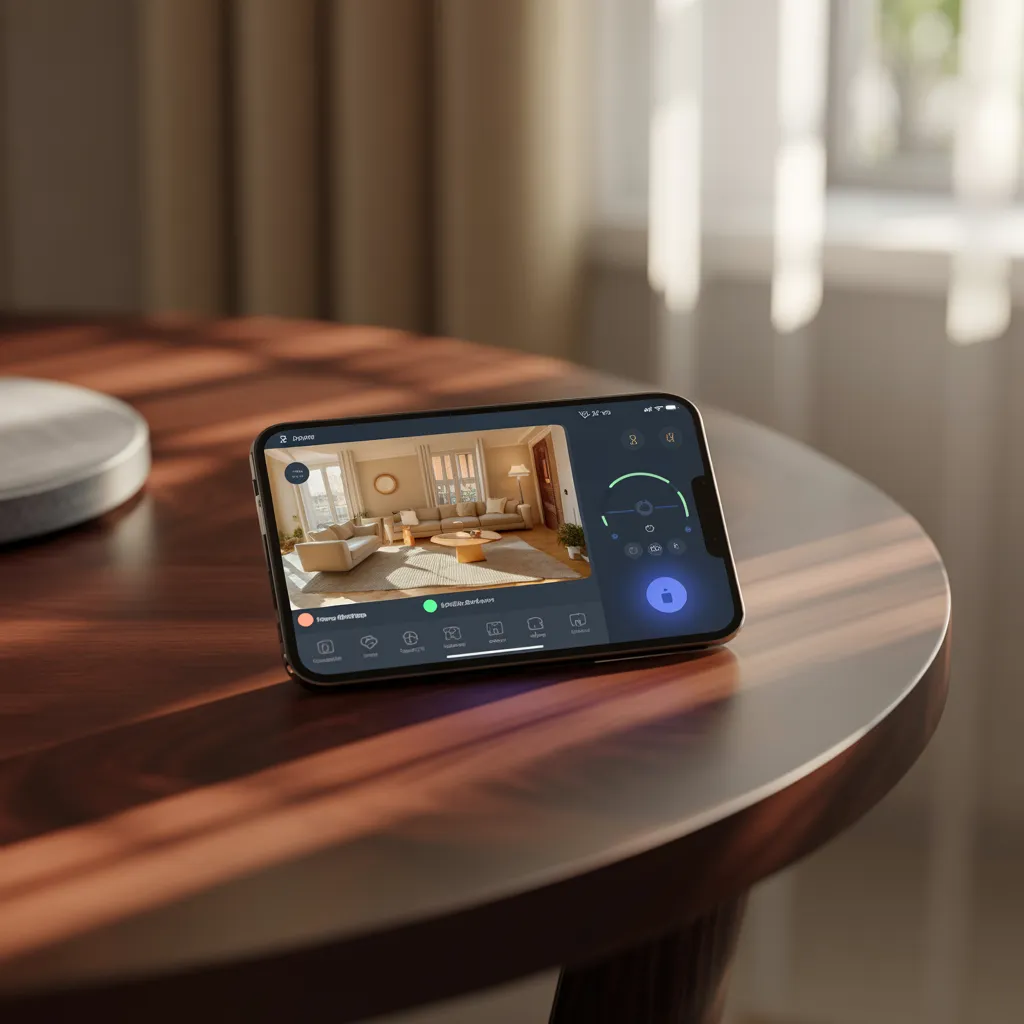
The Critical Role of Home Security in Family Protection
Home security is vital for your family's safety, providing peace of mind and protection against potential threats. When you acquire a quality security system, you're taking proactive steps to safeguard your family members and belongings. Knowing that your home is monitored 24/7 can greatly reduce anxiety and allow you to focus on what truly matters. You're not just protecting your property; you're creating a safe haven for your family to flourish. Furthermore, a secure environment can deter intruders, making it unlikely for them to target your home. At the end of the day, prioritizing home security means valuing your family's welfare and ensuring that you can enjoy life without constantly worrying about their safety. It's a prudent investment that pays dividends in peace of mind.
Comprehending Diverse Kinds of Home Security Systems
In selecting a security system, you'll encounter many options suited to diverse needs and preferences. You can pick a traditional wired system that connects to a central control panel, delivering reliable protection. Alternatively, wireless systems deliver flexibility and easier installation, as they don't require extensive wiring. Smart home security systems work with your devices, letting you to monitor your home remotely via smartphone apps. For added protection, consider systems with video surveillance, which permit you to see live feeds or recorded footage. Motion detectors and alarm systems can also strengthen your security measures. By understanding these options, you can select a system that matches your lifestyle and gives you peace of mind.
How Residential Security Systems Discourage Illegal Activity
Putting in a home security system can substantially decrease the chance of criminal activity in your area. The simple presence of security cameras, alarms, and signs can function as a strong deterrent. Criminals typically search for easy targets; they're unlikely to go near a home that appears secured. When your neighbors observe your security system, it encourages them to think about their own safety measures, establishing a safer community overall. Additionally, many systems deliver real-time alerts, allowing you to act quickly to any suspicious activity. By clearly investing in your home's security, you send a clear message that you take safety seriously. This proactive approach not only secures your property but also improves your peace of mind.
Technology's Impact in Modern Home Security Systems
Progress in technology have revolutionized home security into a sophisticated and available necessity. Smart home systems now combine effortlessly with security devices, permitting you to monitor your property from anywhere. With smartphone apps, you can get real-time alerts, view live camera feeds, and even control locks remotely. Motion sensors and smart alarms provide enhanced detection, lowering the probability of false alarms and ensuring timely responses. Moreover, artificial intelligence helps evaluate patterns and spot unusual activities, providing you added peace of mind. By adopting these modern solutions, you not only strengthen your home's safety but also streamline your daily routine. Adopting technology in your home security strategy is vital to protecting what matters most to you.
Selecting the Right Technology for Your Home Security?
When it comes to choosing the right technology for your home security, you need to evaluate your specific security requirements first. Consider what features are crucial for your peace of mind and then compare the available technologies. This approach ensures you invest in solutions that truly protect your home.
Evaluating Your Security Requirements
What's the best way to find the right technological tools for your home security needs? Begin by examining your property's structure and pinpointing weak points, like entry points and windows. Take into account the neighborhood's crime rate and your personal lifestyle—do you take regular trips or work from home? This will help you decide on the level of security you should have. Look into integrating smart home features, like cameras, alarms, or motion sensors, that align with your daily routine. Be certain to assess your spending capacity; you want effective solutions without overspending. Finally, research easy-to-use solutions that offer remote monitoring, so you can monitor your property from anywhere. Tailoring your security technology to your individual circumstances improves both safety and peace of mind.
Analyzing Present Technologies
As you explore the numerous home security systems available, it's crucial to assess their features against your specific needs. First, examine alarm systems, which can alert you and authorities during a breach. Then, consider surveillance cameras that provide real-time monitoring and recording. Smart home devices, for example doorbell cameras and automated locks, ensure convenience and remote access. Be sure to include motion sensors; they can detect unusual activity and trigger alarms. When evaluating systems, assess factors for instance installation ease, integration with existing devices, and cost. Eventually, select a solution that harmonizes effectiveness and affordability, ensuring it fits seamlessly into your lifestyle while improving your peace of mind and safety. Your home warrants the best protection designed to you.
The Economic Advantages of Home Security Systems
Investing in home security can save you money in more ways than one. You may notice lower insurance premiums, boosting your overall savings. Furthermore, a secure home typically increases its property value and assists in avoiding costly losses.
Decreased Insurance Rates
Many home occupants are happy to find out that improving their security systems can bring about substantial savings on insurance premiums. Insurance providers often reward you for taking forward-thinking measures to protect your residence. By adding a reliable security system, including alarms and surveillance cameras, you prove to insurers that you're reducing risk. This often results in lower monthly premiums, which can result in substantial savings over time. You might even discover discounts for monitored systems or smart home technology. It's mutually beneficial: you strengthen your home's safety while reaping financial perks. So, as you invest in your home security, remember that it can also lighten the load on your wallet.
Elevated Property Valuation
By improving your home security, you're not just securing your belongings; you're also increasing your property's value. Prospective buyers are increasingly looking for homes equipped with advanced security systems, regarding them as a indicator of safety and modern living. By investing in elements like alarms, surveillance cameras, and smart home technology, you make your property more appealing. These upgrades can distinguish your property in a competitive market, helping you to command a higher asking price. In addition, enhanced security can lower the likelihood of theft or damage, which can also help with maintaining your property's condition. Ultimately, prioritizing security not only protects your current peace of mind but also delivers returns when it's time to sell.
Loss Prevention
Though you could consider home security systems as an additional cost, they truly function as an essential safeguard against potential losses. Investing in security measures can deter burglary, vandalism, and other crimes that could cost you thousands in repairs or stolen valuables. Insurance companies often offer discounts on premiums for homes with security systems, enabling you to cut money in the long run. Additionally, a monitored alarm system can notify law enforcement promptly, reducing the likelihood of substantial harm or losses. By taking proactive steps to secure your home, you not only shield your belongings but also gain peace of mind, knowing you're prioritizing your family's safety. Ultimately, home security turns out to be a smart financial choice.
Tips for Selecting the Right Home Security Setup
How do you choose the right home security solution that matches your needs? Begin by reviewing your distinct security necessities. Consider the size of your residence, the number of entry points, and any weak areas. Explore different types of systems, including alarms, cameras, and smart home integrations.
Following this, read user reviews and obtain recommendations from acquaintances or web communities. Compare price points and capabilities, making sure you are aware of any recurring expenses.
Make sure to check the company's customer service and response times. In addition, look for systems that offer customization and scalability, enabling you to upgrade as your needs grow.
Finally, schedule consultations with suppliers to talk about Access Control Security Solutions your choices, guaranteeing you choose a solution that meets your safety and budgetary needs.
Popular Questions
What's the Best Way to Maintain My Home Security System?
To preserve your home security system successfully, consistently examine the equipment, update passwords, ensure software is current, test alarms, replace batteries, and watch camera angles. Regular upkeep helps guarantee peak protection.
Can Home Security Systems Reduce My Insurance Payments?
Installing a home security system may help decrease your insurance costs. Insurance companies frequently provide discounts for monitored systems since they minimize theft and damage risks. Contact your insurance provider to find out what discounts are available.
What Features Should I Prioritize in a Home Security System?
You should prioritize functions like continuous monitoring, motion sensors, video surveillance, mobile alerts, smart home integration, and easy installation. These components strengthen security, convenience, and responsiveness, making sure your home stays safe and secure.
Are DIY Security Systems as Effective as Professional Installations?
While DIY security systems may work well, they frequently miss the professional expertise found in expert installations. Critical components or appropriate placement might be missed. Consider your comfort level with technology and potential vulnerabilities in your home.
How Often Should I Update My Home Security Measures?
You ought to update your home security measures at least every year, or whenever you identify changes in your community. Regularly assess your system's effectiveness and remain current on new technologies to enhance your protection.