How Enhancing Business Security Systems Can Prevent Costly Losses
Upgrading your business security systems involves more than just following trends; it's a necessary step to secure your assets. You might be overlooking vulnerabilities that could lead to considerable losses. Modern technology delivers solutions that can deter threats successfully. But have you thought about how a breach could affect your reputation? Understanding these elements can redefine your approach to security and secure your business's future. What steps are you prepared to implement?
Recognizing Security Gaps in Your Present Security Systems
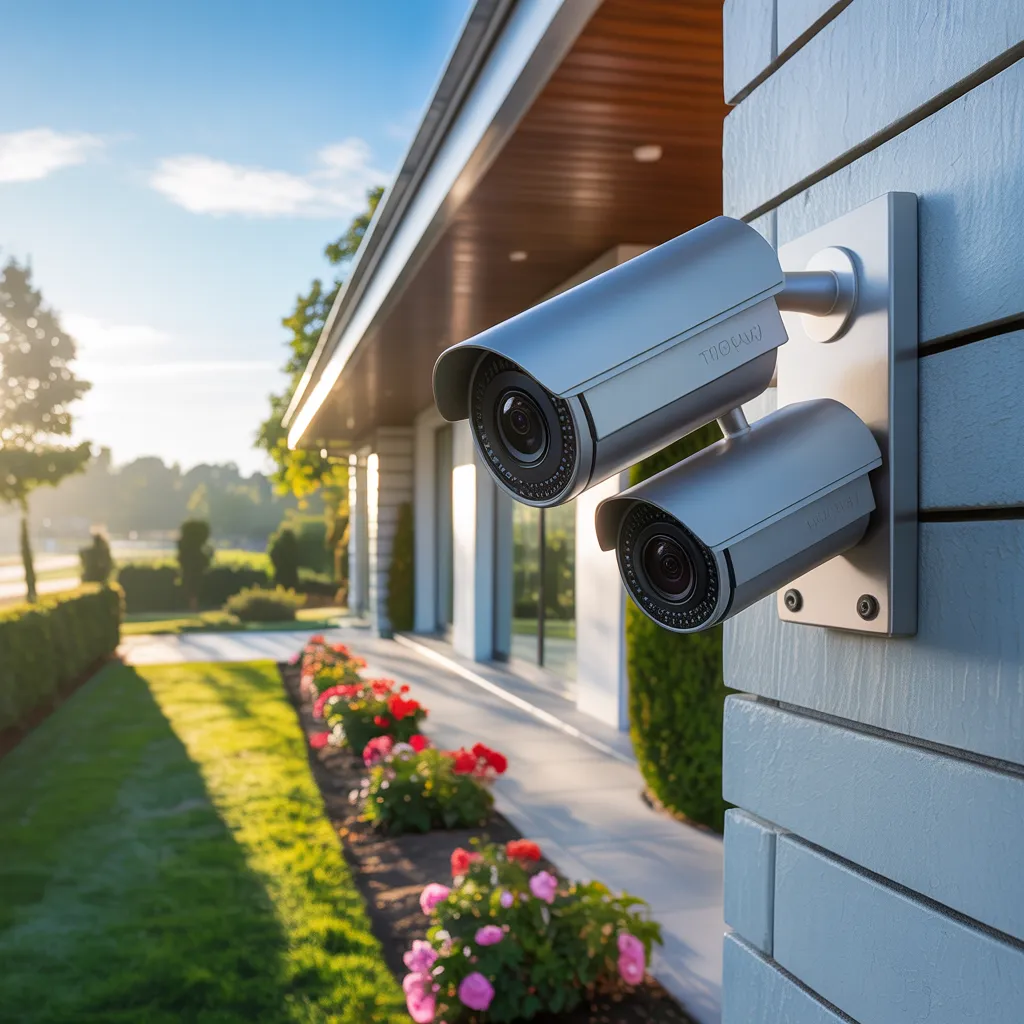
How well do you really know your current security systems? It's crucial to evaluate their effectiveness regularly. Begin by identifying any gaps in your digital and physical security measures. Are your surveillance cameras modern and properly positioned? Check for blind spots that could be exploited. Next, examine your access controls. Are employees using strong, unique passwords? Poor authentication can lead to breaches. Don't neglect employee training—your team should detect security threats like phishing. Regularly review your protocols to guarantee they align with current best practices. A complete vulnerability assessment can reveal weaknesses you might not notice. By being proactive, you can better secure your assets and minimize potential losses, keeping your business secure in an ever-evolving landscape.
How Current Technology Upgrades Business Security Systems
As businesses face increasingly sophisticated security threats, employing modern technology is imperative for enhancing security systems. You can integrate smart surveillance cameras that use AI to detect unusual activities, supplying real-time alerts. Access control systems with biometric features verify only authorized personnel enter sensitive areas. Cloud-based security solutions facilitate remote monitoring and management, giving you peace of mind whether you're on-site or away. In addition, analytics tools can help you examine patterns and vulnerabilities, facilitating proactive measures. By utilizing these technologies, you not only enhance your defenses but also streamline your operations. Adopting modern security tools ultimately shields your assets and increases your overall business resilience against emerging threats.
The Effect of Security Breaches on Your Reputation
When a security incident happens, the repercussions can drastically hurt your firm's reputation. Customers rely on you to shield their private information, and when that trust is broken, it can be tough to rebuild. Negative press and poor customer testimonials can damage your brand image, leading to decreased customer base and lower sales figures.
Moreover, information circulates rapidly; a single incident may deter potential clients from choosing your services. Business associates and partners could also reassess their relationships with your organization, worrying that their own reputations might be affected.
Putting resources into comprehensive cybersecurity measures not only protects your data but also strengthens your reputation. By showing a dedication to security, you create confidence in your customers and reassure them that their information is safe with you.
Upgrading Physical Security: Safeguarding Your Premises
Improving your physical security is vital for securing your premises and maintaining the safety of your employees and assets. By investing in advanced security measures like surveillance Access Control Security Solutions cameras, access control systems, and alarm systems, you create a safer environment. These upgrades deter potential intruders and provide valuable evidence in case of incidents. Regularly assessing your security vulnerabilities helps you identify areas requiring improvement, making certain that your systems are always up to date. Additionally, integrating technology such as motion sensors and smart locks can improve your security protocols. Bear in mind, a secure business not only protects your physical assets but also enhances employee morale and customer confidence, ultimately contributing to a healthier bottom line. Don't overlook the importance of a robust physical security strategy.
Why Personnel Training Is Vital for Effective Security
Although advanced security systems are vital, the effectiveness of these measures depends heavily on employee training. You need to make certain your team understands how to use these systems and recognize potential security threats. Routine training sessions help employees stay current on best practices, making them more vigilant and responsive to suspicious activities. When employees understand their roles in maintaining security, they become your first line of defense. Promote open communication, allowing them to report concerns without hesitation. By investing in comprehensive training, you not only enable your staff but also foster a culture of security awareness. Ultimately, well-trained employees can markedly reduce the risk of breaches, safeguarding your business and contributing to its overall success.
Juridical Risks When Disregarding Security Measures
Overlooking security measures can subject your business to significant legal risks. When you don't protect sensitive data or ensure a safe environment, you remain vulnerable to lawsuits and regulatory fines. If a data breach occurs, you may face claims from affected customers, leading to costly legal battles. Additionally, non-compliance with industry regulations can lead to significant penalties, damaging your reputation and financial standing. Furthermore, poor security can result in workplace accidents, which may expose you to liability claims. By not improving your security systems, you're essentially inviting trouble that can affect your bottom line. Taking proactive steps to boost security not only protects your assets but also decreases potential legal repercussions, safeguarding your business's future.
Creating a Security-Focused Workplace Culture
A strong security system is only as effective as the culture that underpins it. You need to cultivate a workplace environment where security is everyone's responsibility. Commence by educating your team about potential threats and best practices, encouraging open communication about security concerns. Continually educate employees on how to spot suspicious behavior and handle security incidents. Make security a part of your onboarding process, so new hires understand its importance from day one. Appreciate and incentivize employees who demonstrate proactive security behaviors. By weaving security into your daily operations, you'll create a vigilant atmosphere where everyone feels accountable. In the end, a security-conscious culture will not only protect your assets but also elevate overall employee morale and confidence.
Common Questions
How Much Does Upgrading Security Systems Typically Cost?
Upgrading security systems generally ranges between $2,000 to $10,000 depending on your company's requirements and scale. You'll should factor in installation, equipment, and monitoring fees when allocating funds for this essential investment.
What Signs Suggest My Security System Needs Upgrading?
When your security system is outdated, regularly breaks down, doesn't have contemporary features, or can't integrate with newer technology, it's time for an upgrade. Furthermore, rising crime rates in your neighborhood indicate the need for improved security.
How Regularly Should I Assess My Business Security Measures?
You should review your business security measures at least every year, or anytime there are major changes in your operations. Regular assessments enable you to identify vulnerabilities and make certain your systems remain effective against changing threats.
May Insurance Premiums Drop After Enhancing Security Systems?
Enhanced security systems may lead to reduced insurance premium costs. Insurance companies frequently offer reduced rates to businesses that implement better security measures, demonstrating lower risk exposure. This strategic decision can generate long-term financial savings.
What Are the Top Security Systems for Small Businesses?
Leading security systems for small businesses include CCTV cameras, alarm systems, access control, and smart locks. Integrating these solutions enhances protection, discourages theft, and delivers a safe environment for employees and customers alike.